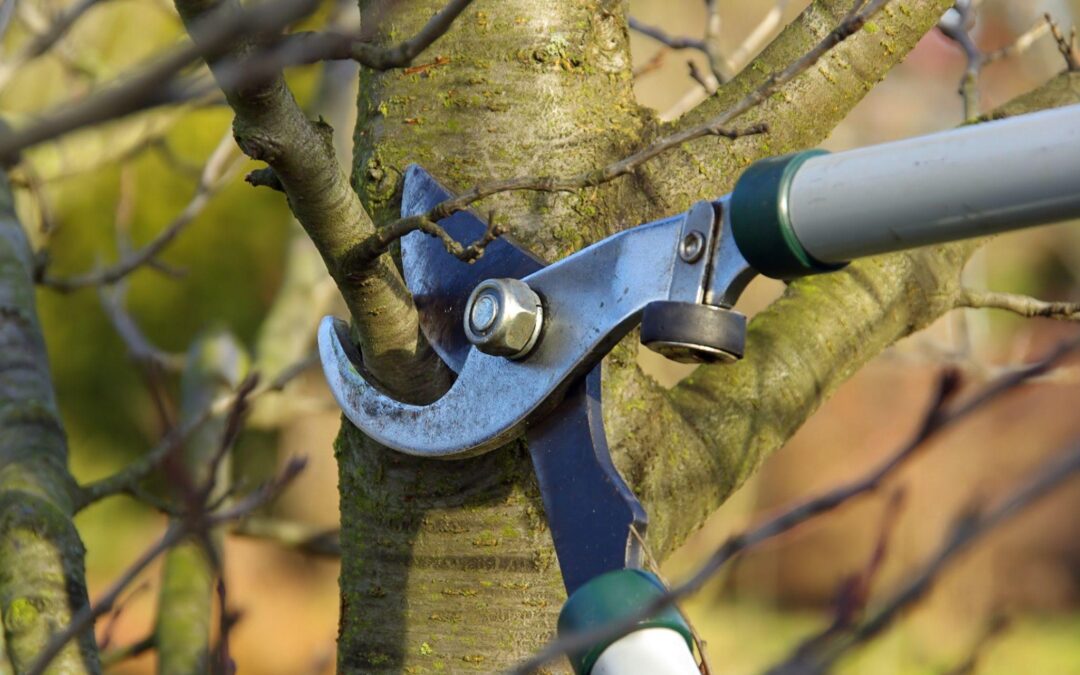
Trees play a major role in the look, safety, and long-term health of your property. In Western Massachusetts and Central Massachusetts, where mature hardwoods and tall shade trees line neighborhoods from Longmeadow and Wilbraham to Amherst, Belchertown, Shrewsbury, and Holden, proper pruning is one of the most important forms of tree care.
Pruning supports healthy growth, improves structure, reduces hazards, and helps trees withstand New England’s challenging weather patterns. But many homeowners aren’t sure when they should prune, how often it should be done, or what type of pruning their trees actually need.
This guide explains the ideal timing, frequency, and benefits of tree pruning in Western MA, along with why calling a certified arborist is essential for safe, correct results.
Why Tree Pruning Matters for Western Massachusetts Homeowners
Tree pruning is both a maintenance practice and a safety measure. When done correctly, it improves the health, structure, and appearance of your trees while reducing the risk of falling limbs or storm damage.
Homeowners in Western MA and Central MA benefit from regular pruning because:
- The region experiences strong winds, heavy snow, and sudden temperature swings.
- Many properties feature large, mature hardwoods that require ongoing care.
- Thicker canopies and older limbs can become unstable over time.
- Maintaining tree structure improves storm resistance and reduces hazards.
- Pruning supports healthy, long-lasting growth for decades.
Skipping pruning for too long can lead to structural issues, heavier canopies, and weakened limbs. This increases the risk of falling branches, property damage, and costly emergency calls after storms.
The Benefits of Proper Tree Pruning
1. Improved Tree Health
Pruning removes dead, broken, or diseased branches that consume energy and weaken the tree. This allows healthier sections to thrive.
2. Stronger Structure
Correct pruning creates a balanced canopy and helps prevent split trunks, weak limb attachments, or heavy top growth that can fail during storms.
3. Greater Safety
Removing hazardous limbs dramatically reduces the chance of branches falling on homes, driveways, vehicles, or power lines.
4. Enhanced Appearance
Well-pruned trees look more refined and well-maintained. This is especially important in upscale neighborhoods across Longmeadow, East Longmeadow, and Shrewsbury where curb appeal matters.
5. Better Sunlight and Airflow
A properly thinned canopy helps air circulate through the branches, reducing disease and improving growth.
6. Increased Property Value
Healthy, well-maintained trees can raise property value and improve the overall look of your landscape.
Protect your property with the region’s most experienced tree care team. Call Northern Tree Service to schedule your pruning or evaluation.
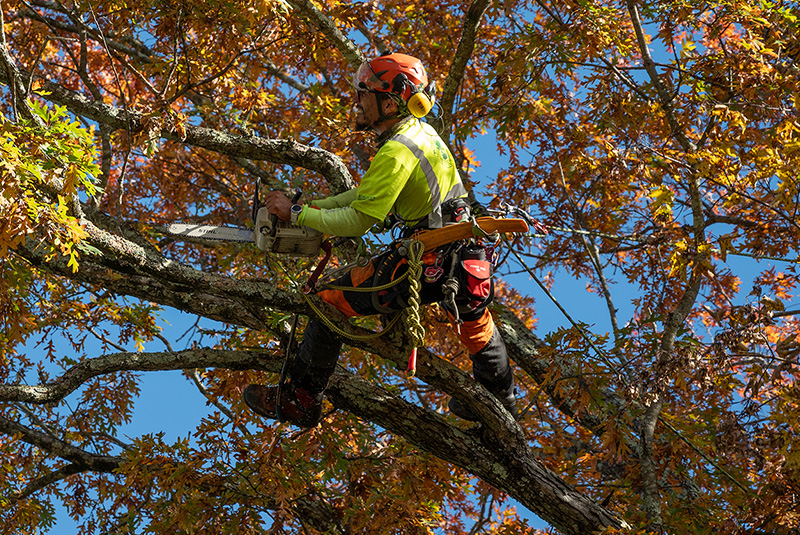
When to Prune: A Seasonal Guide for Western Massachusetts
New England’s climate plays a major role in determining the best times to prune. Below is a practical, season-by-season breakdown.
Winter: The Best Time for Most Pruning
Winter, also known as the dormant season, is generally the ideal time to perform most pruning in Western and Central MA.
Benefits include:
- Clear visibility of the tree’s structure without foliage
- Reduced risk of disease transmission and insect activity
- Less stress on trees while growth is paused
- Improved safety with unobstructed views for climbers and crews
- Easier equipment access when the ground is frozen and stable
Winter is especially suitable for pruning hardwoods such as oak, maple, ash, and many ornamental species common throughout Western and Central Massachusetts.
Because trees are dormant, pruning during this time supports better long-term structure and reduces the likelihood of issues developing later, making winter the preferred season for most structural and maintenance pruning.
Spring: Light Touch Only
In early spring, trees push out new growth and sap flow is high. This season is generally not recommended for heavy pruning, but light corrective trimming is acceptable.
Spring pruning may be recommended for:
- Removing storm-damaged limbs
- Touch-up shaping
- Minor clearance pruning around driveways, walkways, and rooflines
Avoid major cuts that could stress the tree during this sensitive growth period.
Summer: Good for Structuring and Growth Control
Summer pruning is useful for slowing the growth of certain species, improving shape, and thinning canopies before storm season.
Benefits of summer pruning:
- Helps reduce weight in the canopy before hurricane season
- Creates better airflow and light penetration
- Controls fast-growing species that need regular attention
This is especially helpful for properties in Shrewsbury, Holden, Northampton, and Belchertown where large hardwoods sit near homes or garages.
Fall: Better Than No Pruning (With Important Limits)
Fall pruning is generally not recommended because trees are less active and more susceptible to:
- Slower response to pruning cuts
- Greater potential for decay development
- Increased vulnerability to fungi and pests
However, fall pruning is still better than no pruning when:
- A tree has structural defects or poor branch attachments
- There are dead, cracked, or weakened limbs ahead of snow and ice
- Safety is a concern entering New England’s winter season
Trees do not heal, they protect pruning cuts by forming new growth and compartmentalizing the affected area over time. Because of this, making proper cuts in the correct locations matters more than timing alone.
Emergency pruning or removal of hazardous limbs should be performed as soon as the risk is identified, no matter the season. If you live in Longmeadow, Wilbraham, Amherst, Belchertown, Shrewsbury, Holden, or any surrounding Western and Central MA towns, call Northern Tree Service for expert pruning and property protection.
Species Considerations for Western Massachusetts
Different tree species respond differently to pruning. Some common Western MA species have special timing needs:
- Oak: Best pruned in winter to avoid oak wilt and other pathogens.
- Maple: Winter pruning prevents heavy sap bleeding.
- Birch: Prune in late fall or winter for the same reason.
- Pine and Spruce: Can be pruned nearly year-round, but winter is ideal.
- Fruit Trees: Best pruned in late winter for healthy bloom and fruiting.
A certified arborist will recommend timing based on species and location.
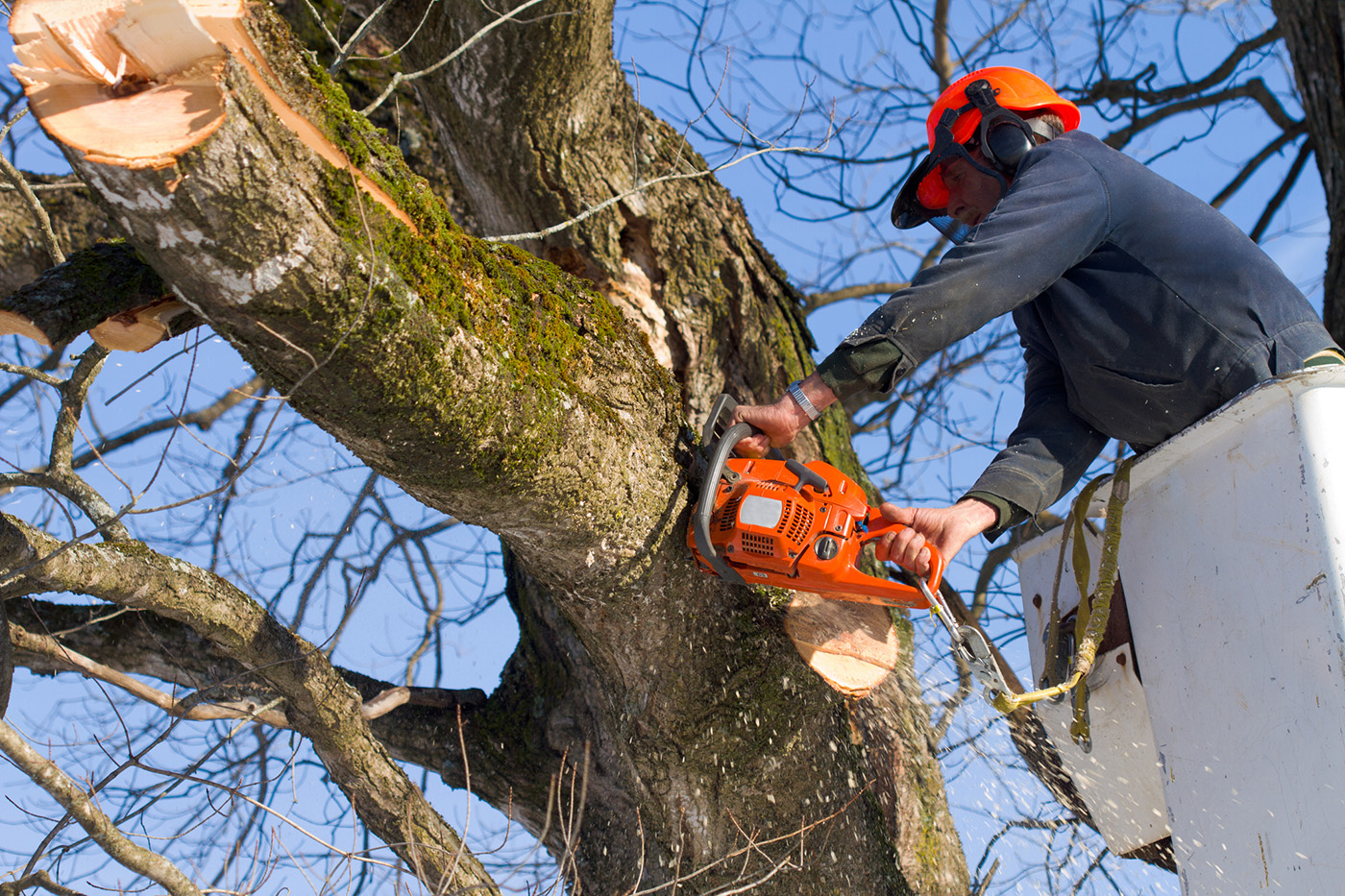
How Often Should You Prune?
The frequency of pruning depends on the tree’s age, species, growth pattern, and location on your property.
Young Trees (Under 10 years old)
Prune every 1 to 2 years to establish a strong, safe structure early.
Mature Trees
Prune every 3 to 5 years to remove deadwood, reduce weight, and maintain balance.
Trees with Fast or Dense Growth
Prune every 2 to 3 years to control heavy canopy weight.
Trees Near Homes, Driveways, or Power Lines
Annual inspection is recommended due to increased risk.
Trees Exposed to High Winds
For properties in hilltop areas of Amherst, Belchertown, or Sturbridge, a pre-season inspection is valuable.
The best rule: inspect every year, prune as needed.
Pruning vs Removal: How to Tell What Your Tree Needs
Not every tree needs to be pruned. Some conditions are too advanced or too dangerous, and removal becomes the safer option.
Pruning is usually enough when:
- The tree has isolated dead branches
- The canopy is too thick
- A limb is too close to the house
- The tree is healthy overall
Removal may be necessary when:
- The trunk is cracked or splitting
- The tree leans significantly
- The root system is compromised
- There is widespread decay
- A large section of the tree is dead
- It sits too close to structures
A certified arborist will evaluate the risks and recommend the right solution.
Why ISA-Certified Arborist Pruning Matters
Improper pruning can cause long-term harm. Incorrect cuts, topping, or over-thinning can weaken trees permanently and dramatically increase storm risk.
ISA-Certified Arborists bring:
- Training in tree biology
- Proper pruning techniques
- Knowledge of local species and climate
- Safety procedures and industry standards
- The ability to identify structural defects
- The correct equipment for elevated and technical work
In Western MA neighborhoods like Longmeadow, Wilbraham, Northampton, and in Central MA suburbs like Shrewsbury and Holden, certified pruning helps protect both property and long-term tree health.
Local Climate Factors That Affect Pruning in Western MA
Western Massachusetts has unique environmental conditions that influence how often and when trees should be pruned:
1. Heavy Snow and Ice Loads
Weight can cause splitting and limb failure.
2. Strong Winds
Frequent wind gusts and storm events put pressure on weak branches.
3. Freeze-Thaw Cycles
Sudden shifts in temperature stress limbs and bark.
4. Dense Urban and Suburban Plantings
Tight spacing increases competition and canopy crowding.
5. Mature Neighborhood Trees
Older trees require more frequent assessment.
Tree Pruning Services for Western and Central Massachusetts
Regular pruning is a smart, proactive way to protect your property and maintain the long-term health of your trees. Homeowners across Western and Central MA, including Longmeadow, Wilbraham, Belchertown, Amherst, Northampton, Shrewsbury, Holden, and Sturbridge, benefit from professional pruning that improves structure, reduces hazards, and enhances overall curb appeal.
Certified arborists can help with:
- Structural pruning
- Deadwood removal
- Canopy thinning
- Clearance pruning
- Hazard reduction
- Cabling and bracing
- Tree health assessments
The result is a healthier, stronger, safer tree that enhances your property for decades. Keep your trees healthy, safe, and beautiful year-round. Contact Northern Tree Service to schedule professional pruning or to request an inspection from our ISA-Certified Arborists. We proudly serve towns across Western and Central Massachusetts.