Protecting Your Property in Western & Central Massachusetts
New England weather is famously unpredictable, and homeowners across Western Massachusetts and Central Massachusetts know how quickly conditions can shift. One week may bring calm, mild temperatures, and the next may introduce heavy winds, thunderstorms, flash freezes, or even a late-season snowstorm. These patterns aren’t just an inconvenience — they can create serious risks for the trees on your property and, by extension, your home, vehicles, and family.
Preparing your trees before storm season is one of the most valuable steps you can take to protect your property. Tree damage is one of the top causes of storm-related emergencies in New England, especially in heavily wooded communities and upscale residential neighborhoods like Longmeadow, Wilbraham, Hadley, Amherst, Belchertown, Shrewsbury, and Holden. A single damaged or weakened tree can result in costly property damage, electrical hazards, or dangerous emergency situations.
This guide explains how to assess your trees before storm season, what warning signs to watch for, and why partnering with a certified arborist is the best way to keep your property safe, beautiful, and storm-ready all year long.
Understanding New England Storm Risks
Storm preparation begins with understanding how New England weather affects the trees on your property. Western and Central MA routinely experience:
- High winds from thunderstorms and seasonal storms
- Heavy snow and ice, especially during late fall and winter
- Nor’easters, which can produce extended periods of stress on trees
- Saturated soil, which loosens root systems
- Sudden freeze-thaw cycles that crack limbs and weaken structure
These conditions can cause even healthy trees to fail, but the risk increases dramatically when a tree is already compromised by decay, pests, poor structure, or root instability.
Warning Signs a Tree Is at Risk Before Storm Season
Before storm season begins, homeowners should visually inspect their property. You don’t need to be a professional arborist to identify early warnings — but knowing what to look for can help you spot issues before they turn into emergencies.
1. Cracks or Splits in the Trunk
Large vertical cracks, deep splits, or missing bark are signs that the structural integrity of the tree has been compromised. High winds can easily turn these weak points into breaking points.
2. Dead or Dying Branches
Dead branches are more likely to fail without warning. If a branch no longer produces leaves, is brittle, or appears decayed, it should be evaluated immediately.
3. Leaning Trees
Some trees naturally grow with a slight lean, but a dramatic or sudden change in angle—especially after a storm or heavy rain—is a major warning sign of root instability.
4. Fungal Growth or Rot at the Base
Mushrooms around the trunk or roots often indicate internal decay. A tree can look healthy on the outside while being structurally compromised from the inside.
5. Soil Heaving or Exposed Roots
If the soil around the base of the tree appears lifted, cracked, or uneven, the root plate may be shifting. This is a common precursor to uprooting during windstorms.
6. Canopy Imbalance
A lopsided canopy or heavy top growth can increase the risk of failure during storms. Proper pruning helps achieve a safer, more balanced structure.
If you’ve spotted cracks, leaning trees, or storm damage, don’t wait. Call Northern Tree Service for a professional hazard assessment and storm-readiness plan.
Why Storm Preparation Is Essential in Western Massachusetts
Properties in Western MA—especially areas like Longmeadow, East Longmeadow, Hampden, Wilbraham, Northampton, and Amherst—often feature mature trees that have been growing for decades. While these mature trees add beauty and value, they also pose a higher risk during storms if not properly maintained.
Several factors increase risk in this region:
Dense Tree Coverage
Many Western MA towns have lush, wooded neighborhoods where trees are located close to homes, driveways, and utility lines. These settings make proactive maintenance even more important.
Heavier Snow and Ice Loads
Western MA often receives more snowfall and ice accumulation than the surrounding regions. This places tremendous stress on branches and root systems.
Older Properties with Older Trees
Historic neighborhoods and long-established residential areas often contain large, aging trees that require routine professional evaluation.
Wind Tunnels Created by Terrain
The hills and valleys of Western MA can amplify wind speeds, increasing the chance of tree and branch failure.
Storm damage can happen without warning. For emergency tree service or fast storm cleanup in Western and Central MA, contact Northern Tree Service anytime.
Storm Prep for Central Massachusetts Homeowners
Central MA towns like Shrewsbury, Holden, Boylston, West Boylston, Sturbridge, and Princeton experience similar risks with slightly different characteristics:
- More frequent thunderstorms and microbursts in summer
- Heavily wooded suburban neighborhoods
- A mix of younger tree growth and larger established hardwoods
- High wind exposure across open properties
Because these areas combine wooded sections with wide-open landscapes, trees can experience stress from multiple angles, making pruning and hazard assessments even more critical.
How Certified Arborists Assess Storm Risks
While homeowners can identify basic warning signs, a certified arborist provides a much more thorough evaluation. ISA-Certified and State-Certified Arborists use advanced assessment techniques to determine a tree’s overall health, structure, and potential weaknesses.
During a pre-storm inspection, an arborist will:
Evaluate the Root System
They check for rot, soil disruption, compromised anchoring, or signs of uprooting.
Inspect the Trunk for Internal Decay
Specialized tools or visual indicators can reveal hollow sections, cracks, or structural damage.
Assess Branch Structure and Weight Distribution
A balanced canopy is key to preventing storm-related breaks.
Identify Disease or Pest Issues
Diseases like root rot or infestations like carpenter ants can weaken a tree without obvious external signs.
Recommend Pruning, Cabling, or Removal
Interventions are tailored to the risk level and tree condition.
This kind of detailed assessment is what keeps many Western and Central MA homeowners safe during storm season.
What You Can Do to Prepare Your Trees Before Storm Season
Storm prepping isn’t complicated, and when done annually, it significantly reduces risks.
1. Schedule Preventive Pruning
Removing dead, weak, or crowded branches reduces weight and helps your trees handle strong winds. Pruning also improves overall tree health.
2. Remove Hazardous or Unstable Trees
If a tree presents a serious risk, removal is often the safest and most cost-effective solution. Hazardous trees can fail without warning during a storm.
3. Install Cabling & Bracing When Needed
Cabling provides structural support for trees with multiple stems, overextended limbs, or heavy canopies.
4. Improve Soil and Root Health
Healthy roots anchor the tree and help it remain stable. Fertilization, soil aeration, and watering during dry seasons all play a role.
5. Clear Debris and Remove Low-Hanging Limbs
Branches hanging near your home, driveway, or power lines can create hazards during storms.
6. Inspect After Every Major Weather Event
Post-storm assessments help identify new damage early.
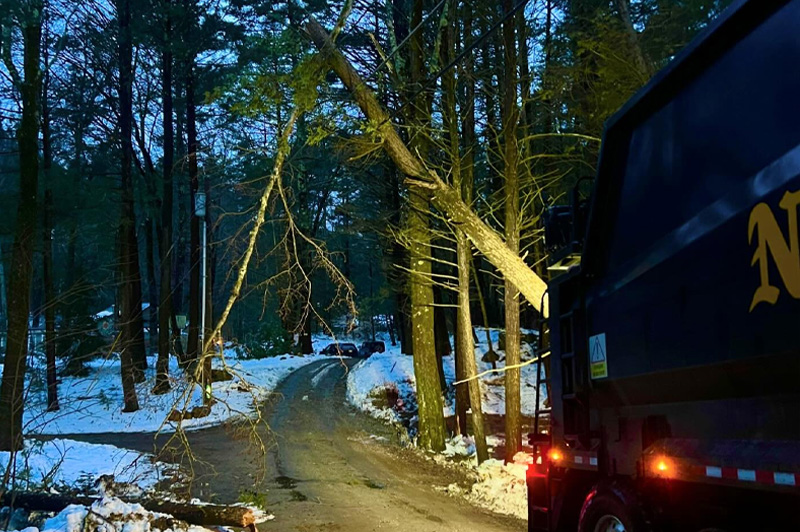
When Homeowners Should Call for Emergency Tree Service
Emergency service is essential when:
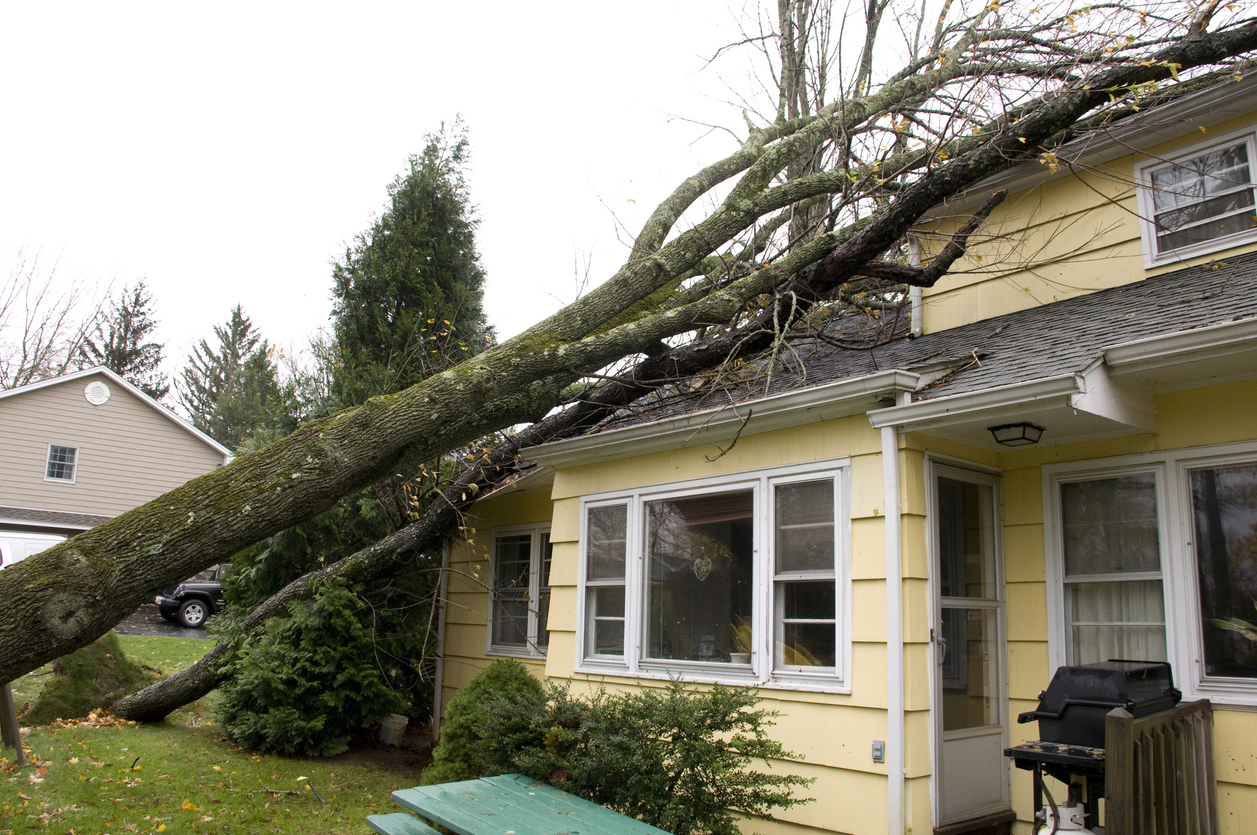
- A tree falls on a home, fence, or vehicle
- A tree is leaning dangerously after heavy winds
- A branch is hung up and at risk of dropping
- Storm damage has exposed roots or cracked limbs
- A tree is blocking a driveway or access point
- Power lines are involved (always call the utility first)
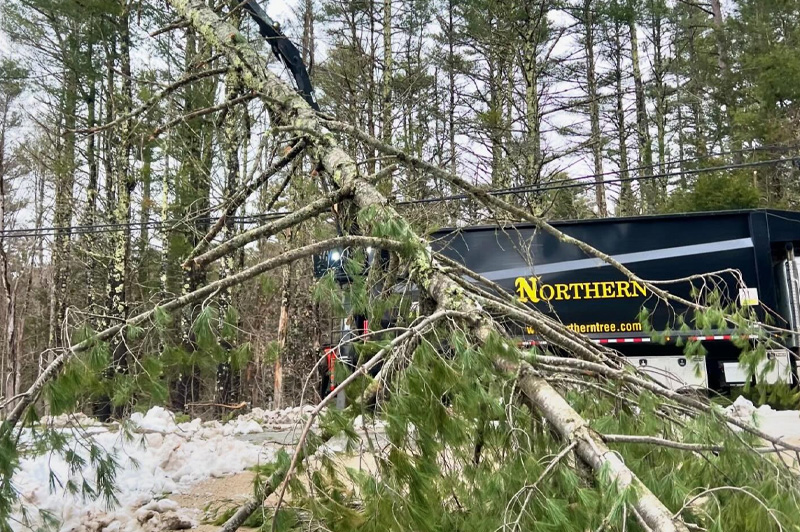
During storm season, response time matters. Homeowners across Western and Central MA can count on Northern Tree Service for fast, reliable 24/7 storm emergency support. Contact us today for immediate assistance or a storm-readiness inspection.
Why Choosing a Certified, Experienced Tree Service Matters
Experience, training, and proper equipment make a significant difference in both safety and the outcome of a storm-prep service. Companies with ISA-certified arborists follow industry standards, understand proper pruning practices, and can identify risks that an untrained eye may miss.
For homeowners in Longmeadow, Wilbraham, Belchertown, Amherst, Westfield, Shrewsbury, Holden, and surrounding towns, choosing the right tree service ensures:
- Safe, professional pruning
- Accurate risk assessments
- Proper equipment for large or hazardous removals
- Prevention-focused care that protects property value
Final Thoughts: Protect Your Home Before the Storm Hits
Preparing your trees for storm season is one of the most effective ways to protect your property and ensure long-term tree health. With New England’s unpredictable weather patterns, taking proactive steps is far more cost-effective than dealing with unexpected storm damage. Whether you live in a wooded neighborhood in Wilbraham, a historic district in Northampton, or a hilltop property in Shrewsbury, the right preparation gives you peace of mind and keeps your property safe year-round. To make sure your trees are truly storm-ready, contact Northern Tree Service for a professional inspection or pruning service from our certified arborists.